 Mushie
Mushrooms growing on dead wood, logs and tree stumps
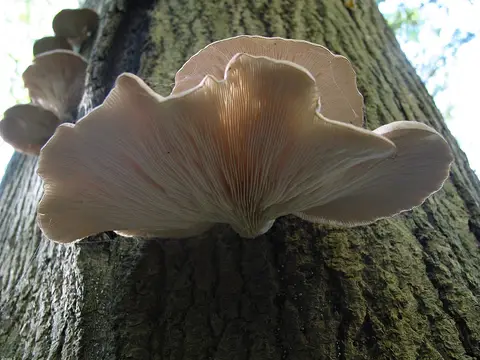
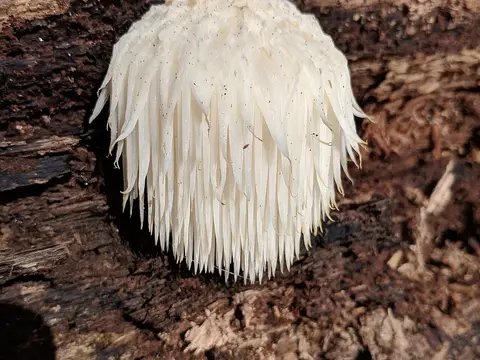
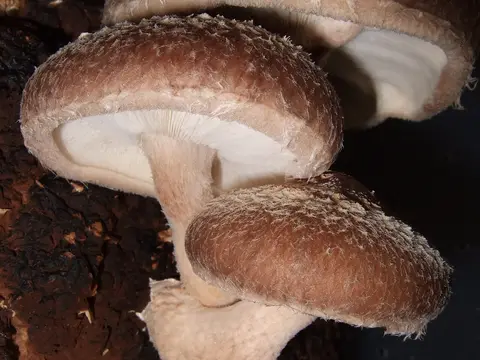
Wood-decaying fungi grow in shelves, brackets or clusters on fallen logs, dead trunks and old stumps. Although oyster mushrooms and velvet shanks grow on wood, so does the deadly funeral bell (Galerina marginata) and poisonous species like sulphur tuft and jack-o'-lantern. A spore print and stem check are essential for any wood-growing mushroom.
Deadly in dead wood, logs & stumps (1)
Can kill. Never eat.
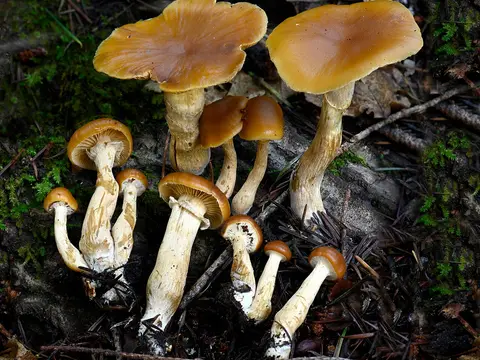
Poisonous in dead wood, logs & stumps (3)
Makes you ill. Never eat.
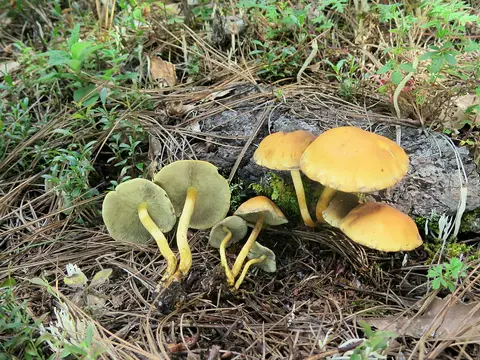
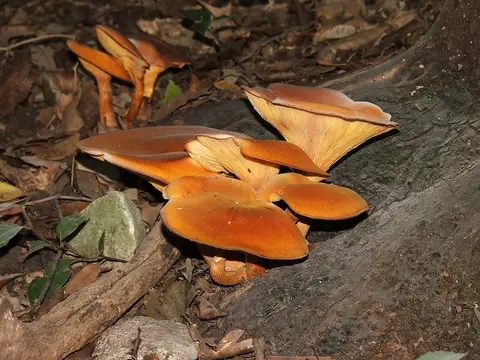
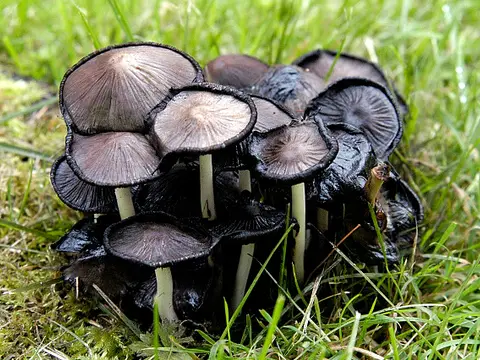
Edible with caution in dead wood, logs & stumps (4)
Only with expert ID and correct preparation.
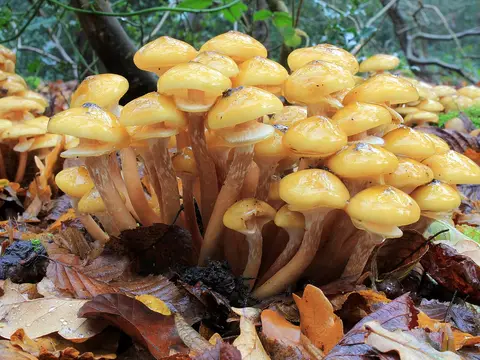
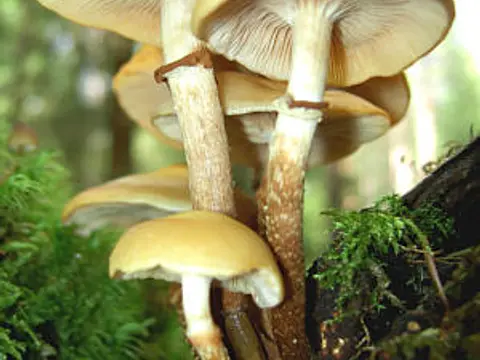
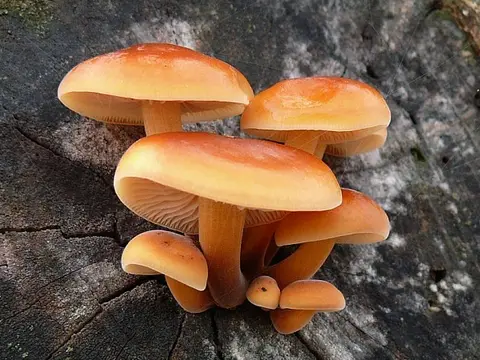
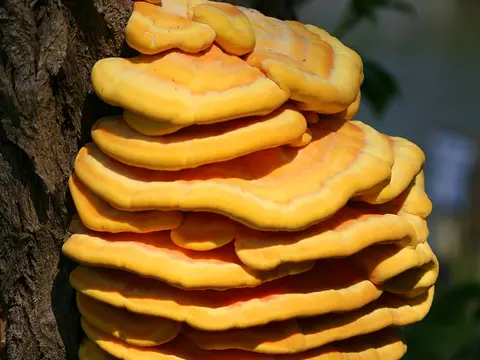
Edible (expert ID) in dead wood, logs & stumps (4)
Regarded as edible when expertly identified and cooked.
Frequently asked questions
Are mushrooms growing on dead trees safe to eat?
No—growing on wood does not make a mushroom safe. The funeral bell (Galerina marginata) is deadly poisonous, and jack-o'-lantern and sulphur tuft cause severe illness, yet all three grow on dead wood and stumps.
How do you tell honey fungus or velvet shank from a funeral bell?
Take a spore print. Honey fungus and velvet shank both leave a white spore print, whereas the deadly funeral bell leaves a rusty-brown spore print.
Found a mushroom in dead wood, logs & stumps?
Photograph it with Mushie for possible matches, look-alike warnings and an AI guide for follow-up questions. Results are suggestions, never a safe-to-eat verdict.