 Mushie
Edible wild mushrooms (and what to rule out first)
No wild mushroom is "safe to eat" from a photo. These species are regarded as edible by field guides when correctly identified and properly cooked. Each page lists the dangerous look-alikes to rule out first.
Safety first. Never eat a wild mushroom based on an app or a website. Confirm identification and edibility in person with a qualified local expert. Cooking, drying and freezing do not remove most mushroom toxins.
Regarded as edible when expertly identified
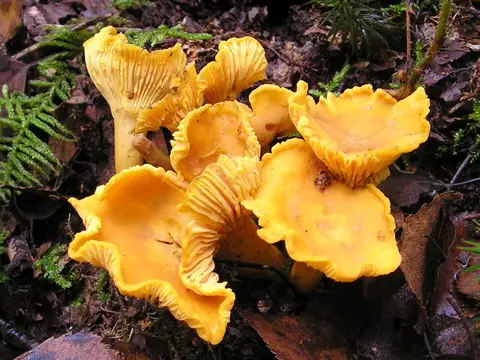
Chanterelle Cantharellus cibarius Edible (expert ID)
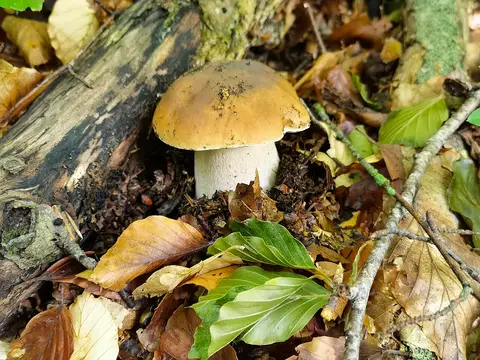
Porcini Boletus edulis Edible (expert ID)
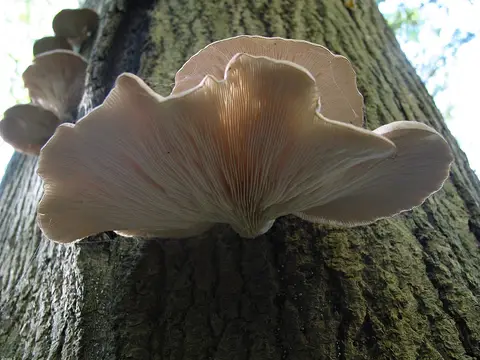
Oyster mushroom Pleurotus ostreatus Edible (expert ID)
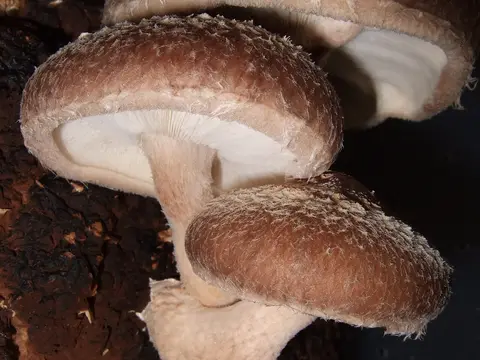
Shiitake Lentinula edodes Edible (expert ID)
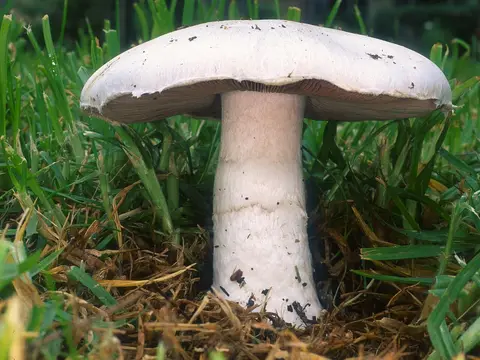
Field mushroom Agaricus campestris Edible (expert ID)
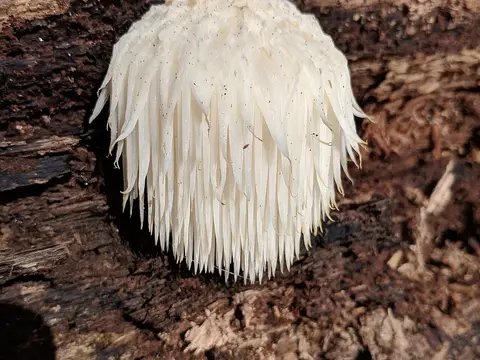
Lion's mane Hericium erinaceus Edible (expert ID)
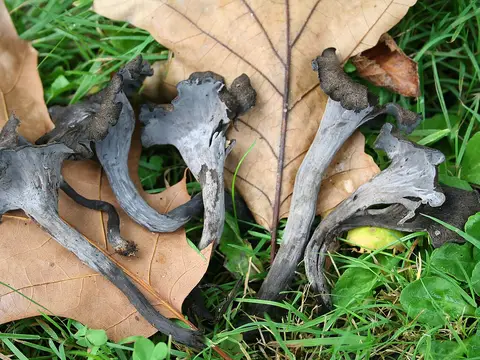
Horn of plenty Craterellus cornucopioides Edible (expert ID)
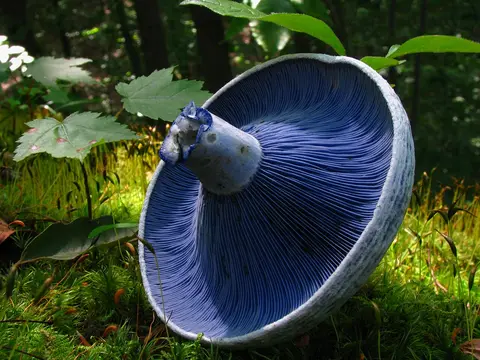
Indigo milk cap Lactarius indigo Edible (expert ID)
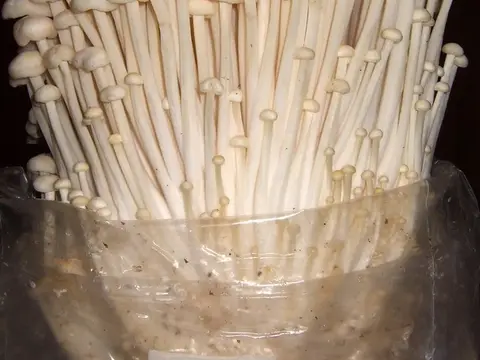
Enoki Flammulina filiformis Edible (expert ID)
Edible only with extra caution
These are edible only with correct preparation, or easily confused with toxic species.
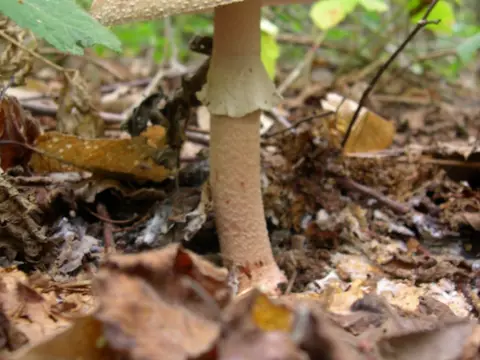
The blusher Amanita rubescens Edible with caution
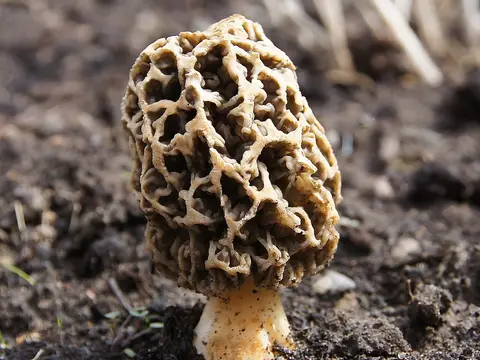
Morel Morchella esculenta Edible with caution
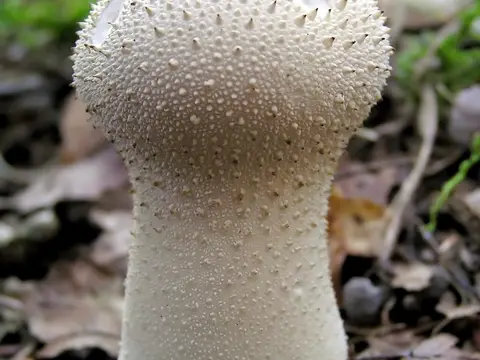
Common puffball Lycoperdon perlatum Edible with caution
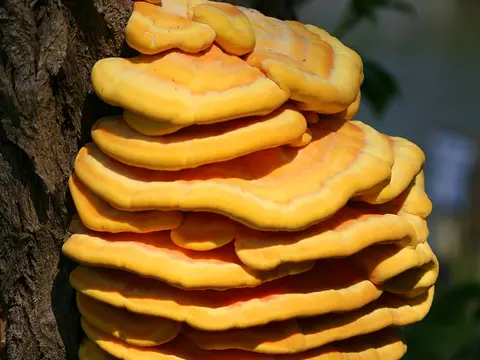
Chicken of the woods Laetiporus sulphureus Edible with caution
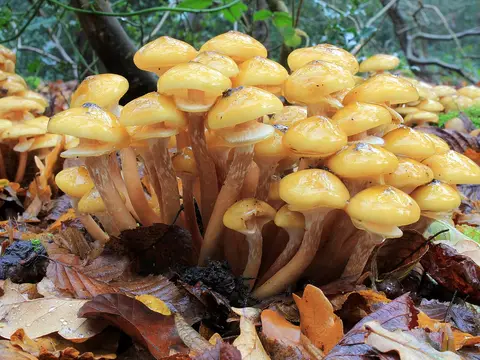
Honey fungus Armillaria mellea Edible with caution
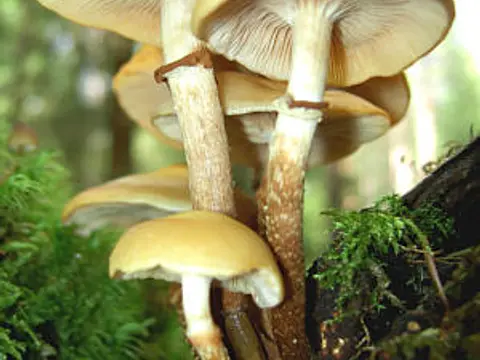
Sheathed woodtuft Kuehneromyces mutabilis Edible with caution
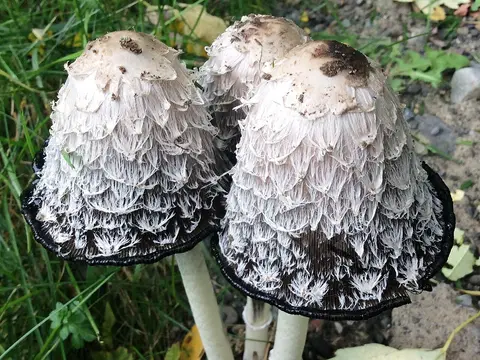
Shaggy ink cap Coprinus comatus Edible with caution
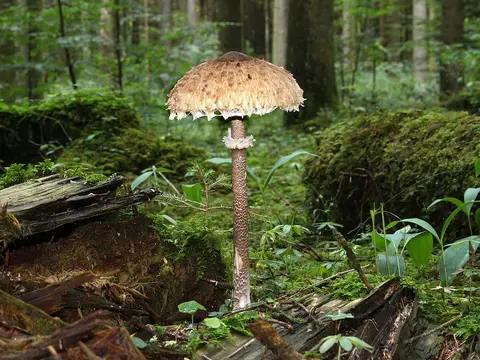
Parasol mushroom Macrolepiota procera Edible with caution
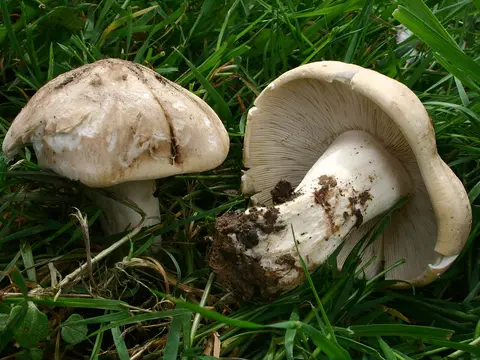
St George's mushroom Calocybe gambosa Edible with caution
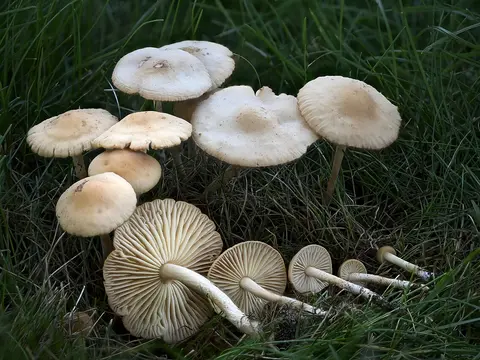
Fairy ring champignon Marasmius oreades Edible with caution
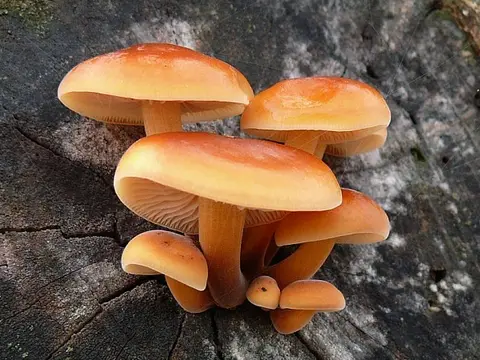
Velvet shank Flammulina velutipes Edible with caution
Not sure what you found?
Photograph it with Mushie for possible matches, look-alike warnings and an AI guide for follow-up questions. Results are suggestions, never a safe-to-eat verdict.