 Mushie
Mushrooms found in oak, beech and broadleaf woods
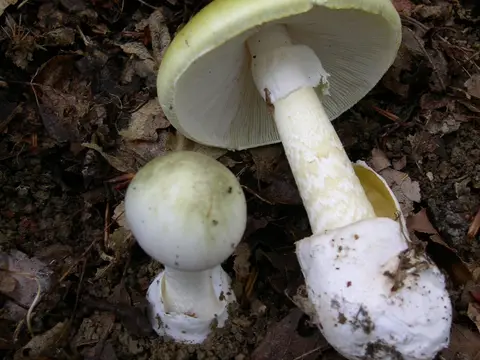
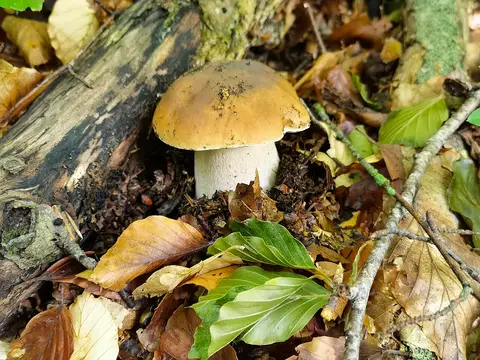
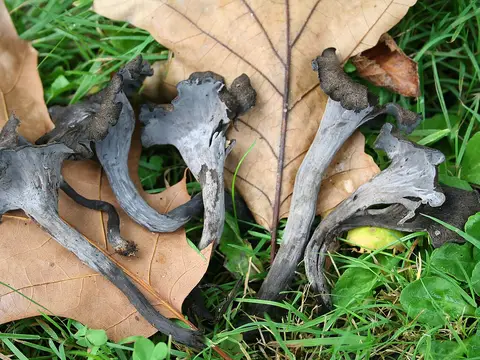
Deciduous oak and beech forests are among the richest mushroom habitats in Europe and North America. Many prized species—such as porcini, golden chanterelles and horn of plenty—live in partnership with oak and beech roots, but the world's deadliest mushroom, the death cap (Amanita phalloides), grows under the very same trees.
Deadly in oak & beech broadleaf woods (1)
Can kill. Never eat.
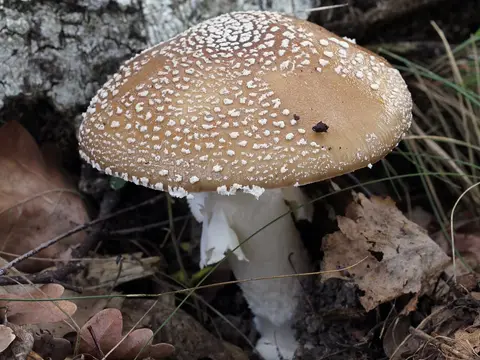
Poisonous in oak & beech broadleaf woods (3)
Makes you ill. Never eat.
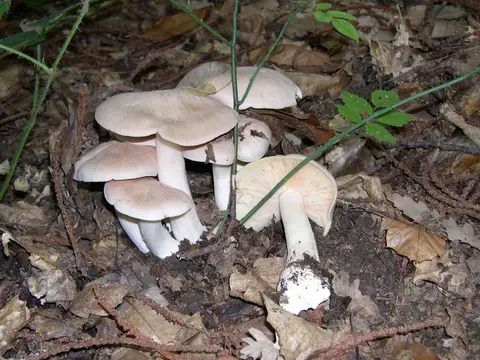
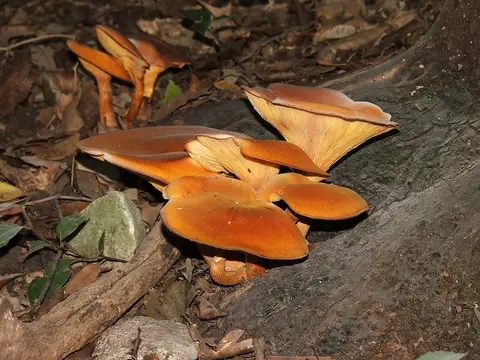
Edible with caution in oak & beech broadleaf woods (3)
Only with expert ID and correct preparation.
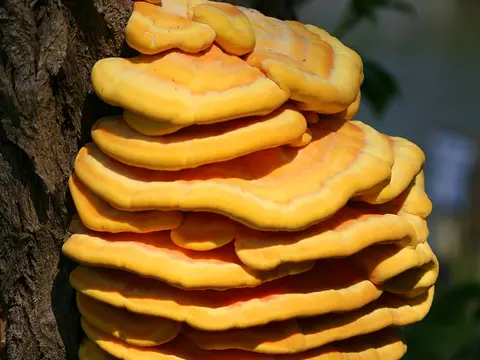
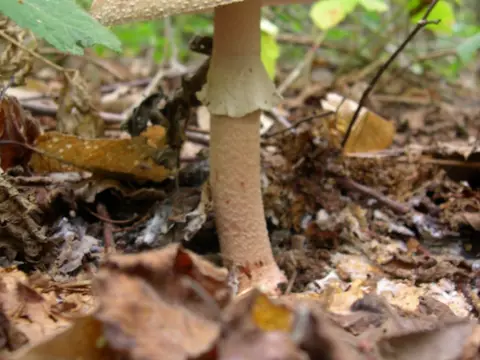
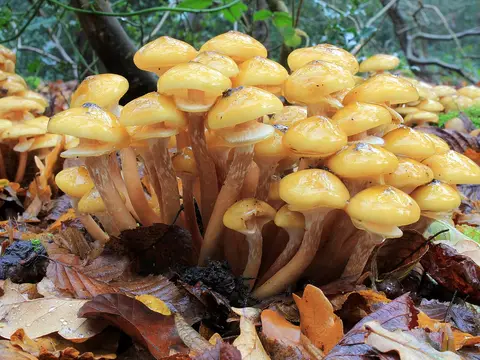
Edible (expert ID) in oak & beech broadleaf woods (5)
Regarded as edible when expertly identified and cooked.
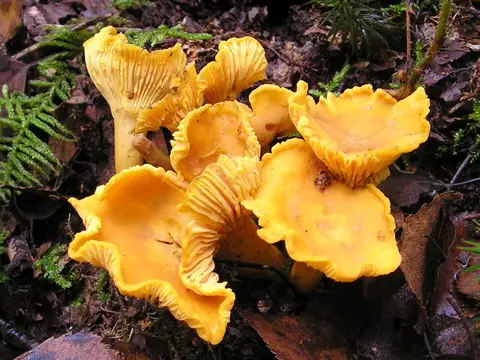
Frequently asked questions
Which mushrooms grow under oak trees?
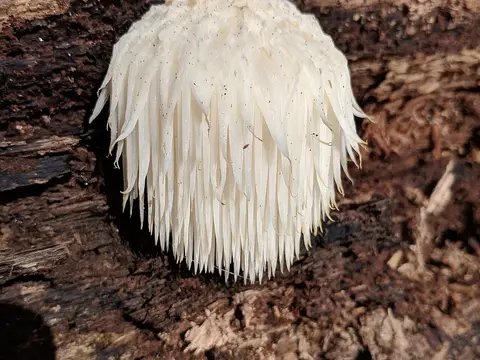
Oak trees host porcini (Boletus edulis), chanterelles, chicken of the woods, lion's mane, horn of plenty and—most importantly to recognise—the deadly death cap (Amanita phalloides).
When is the best time to look for mushrooms in broadleaf woods?
Late summer through autumn (August to November) after spells of rain, though morels and St George's mushroom appear along woodland edges in spring.
Found a mushroom in oak & beech broadleaf woods?
Photograph it with Mushie for possible matches, look-alike warnings and an AI guide for follow-up questions. Results are suggestions, never a safe-to-eat verdict.