 Mushie
Mushrooms found in pine, spruce and conifer forests
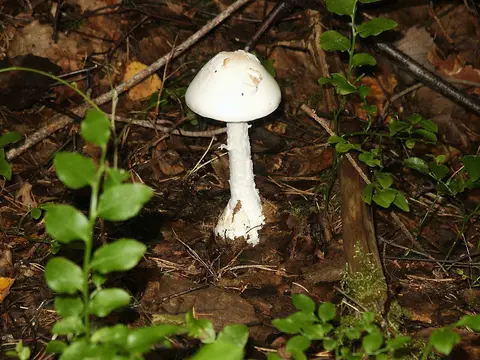
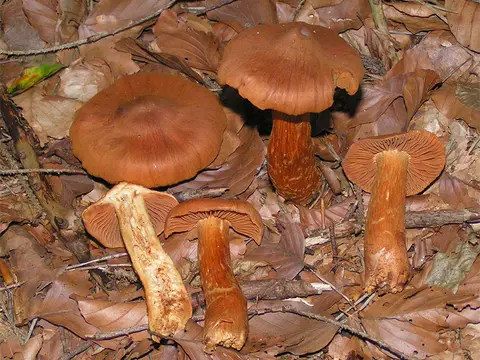
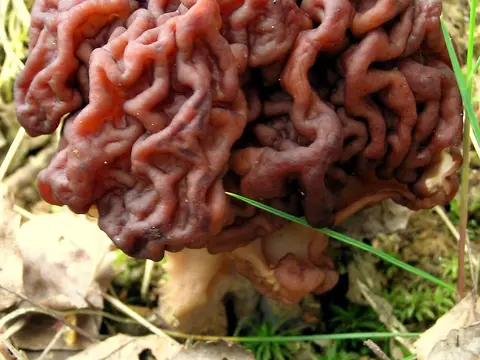
Acidic, mossy conifer forests of pine, spruce and fir host a distinct community of mycorrhizal mushrooms. Porcini and chanterelles fruit among conifer needles, alongside deadly look-alikes such as the deadly webcap (Cortinarius rubellus), destroying angel (Amanita virosa) and, in spring, the false morel (Gyromitra esculenta).
Deadly in pine, spruce & conifer forests (3)
Can kill. Never eat.
Poisonous in pine, spruce & conifer forests (2)
Makes you ill. Never eat.
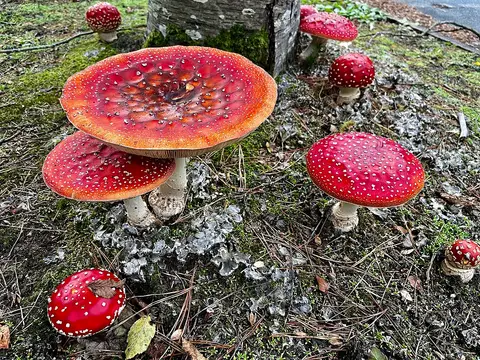
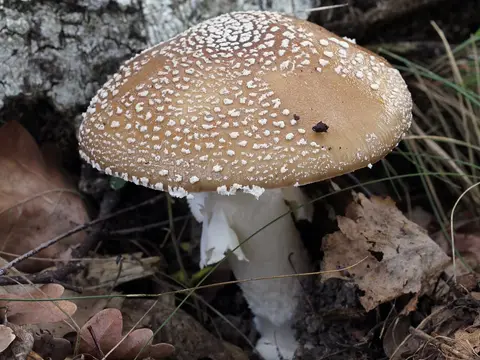
Inedible in pine, spruce & conifer forests (2)
Not worth eating, may cause upset.
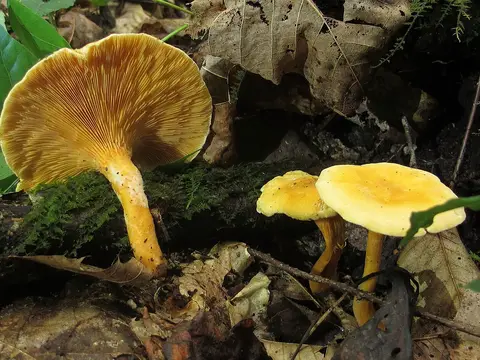
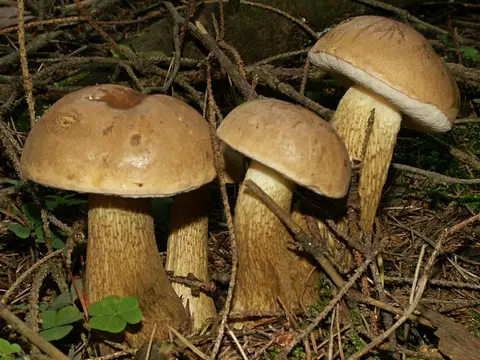
Edible with caution in pine, spruce & conifer forests (2)
Only with expert ID and correct preparation.
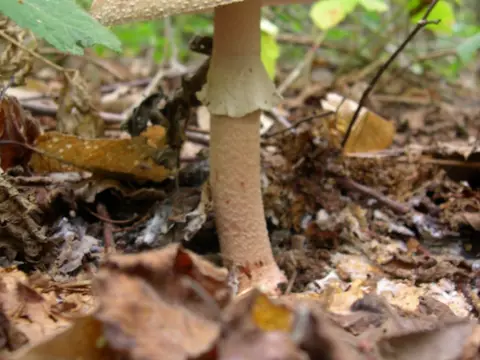
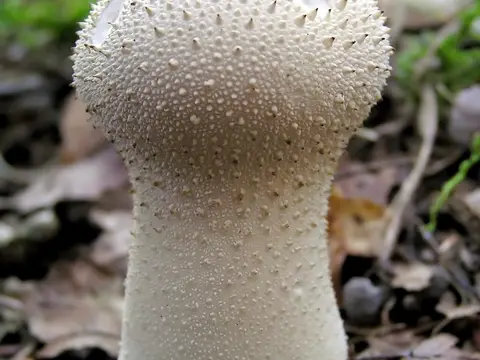
Edible (expert ID) in pine, spruce & conifer forests (3)
Regarded as edible when expertly identified and cooked.
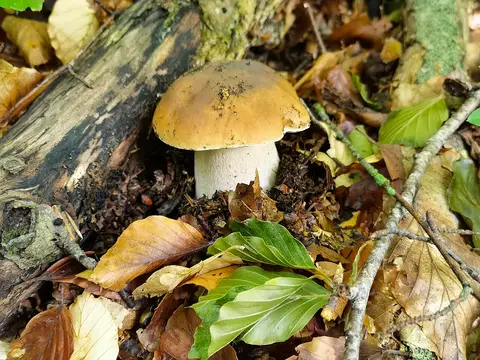
Frequently asked questions
What dangerous mushrooms grow in pine and spruce woods?
The destroying angel (Amanita virosa), deadly webcap (Cortinarius rubellus), false morel (Gyromitra esculenta), fly agaric and panther cap all grow in conifer and mixed birch-conifer woods.
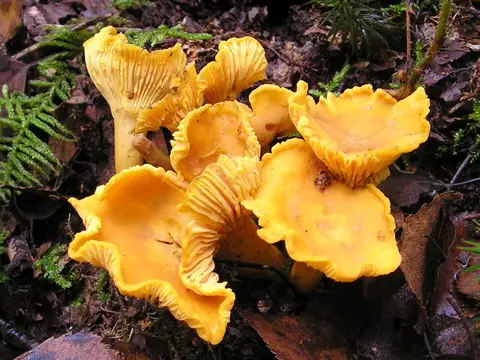
How do you tell a false chanterelle from a true chanterelle in conifer needle litter?
False chanterelles have thin, crowded, repeatedly forked true gills and a softer, hollowing stem, whereas true chanterelles have thick, blunt ridges and firm, solid pale flesh.
Found a mushroom in pine, spruce & conifer forests?
Photograph it with Mushie for possible matches, look-alike warnings and an AI guide for follow-up questions. Results are suggestions, never a safe-to-eat verdict.