 Mushie
Brown woodland mushrooms: why shape and underside matter more than colour
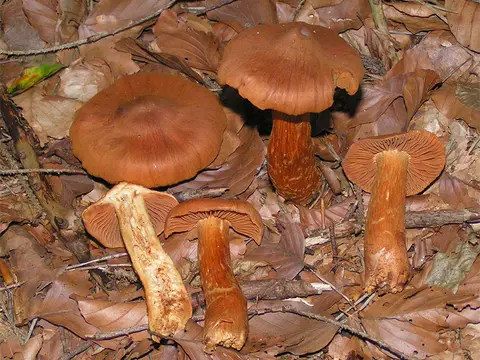
Dozens of unrelated mushrooms have brown caps, from prized porcini and true morels to the deadly funeral bell (Galerina marginata) and poisonous panther cap (Amanita pantherina). Mycologists group small, indistinct brown gilled species as "LBMs" (Little Brown Mushrooms) and advise beginners never to gather them for the table because deadly amatoxin-containing species look nearly identical.
Key field checks for brown woodland mushrooms
| Feature / Clue | What it means in the field |
|---|---|
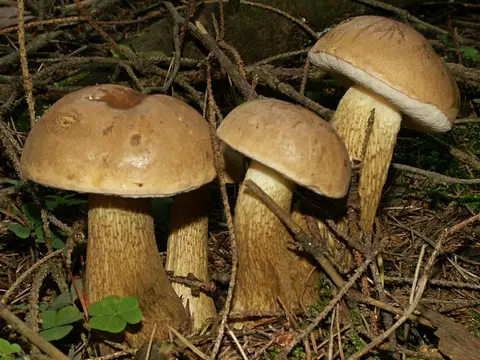
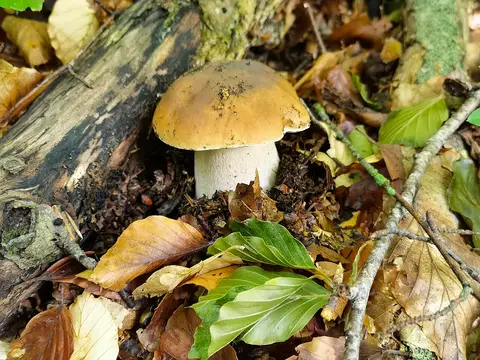
| Brown cap + sponge pores | Check for porcini (white net on stem, olive-yellow pores) vs bitter bolete (dark net, pinkish pores). |
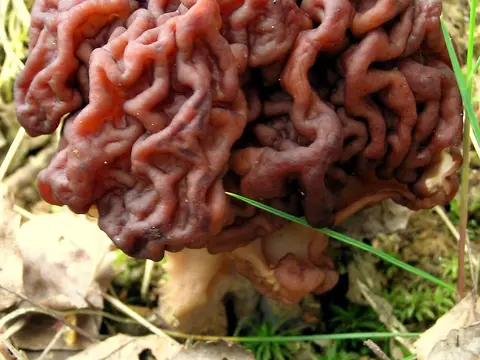
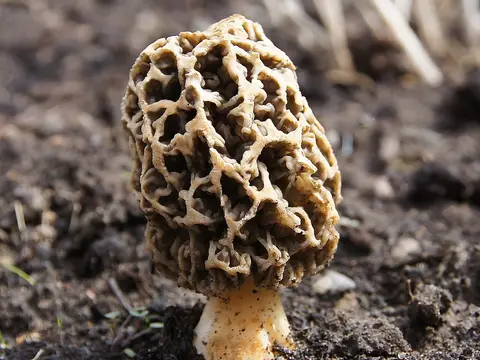
| Brown pitted honeycomb vs brain-like folds | Slice lengthwise to separate a completely hollow true morel from a chambered deadly false morel. |
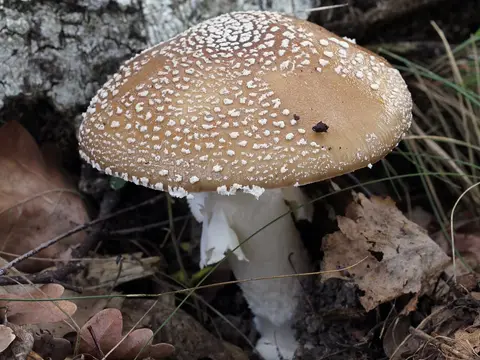
| Brown cap + white warts + white gills | Panther cap (poisonous) vs the blusher (stains pink-red when cut). |
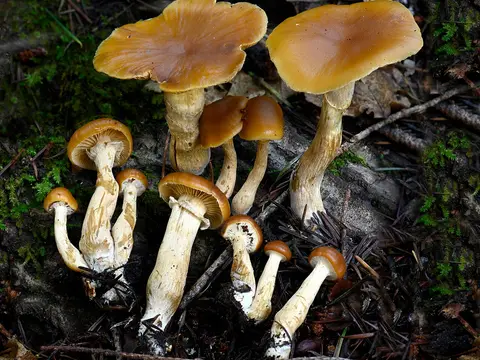
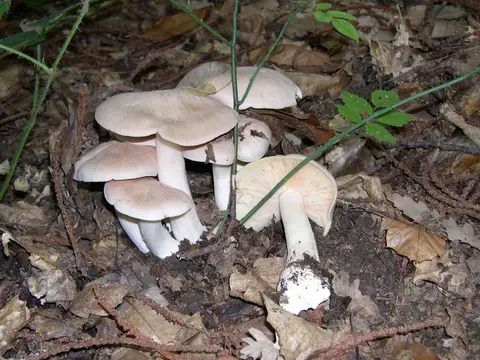
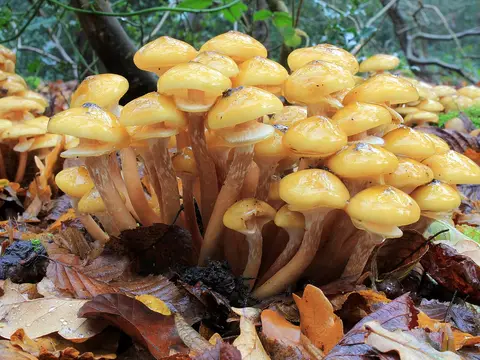
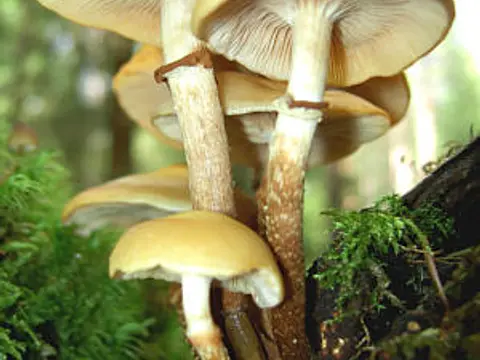
| Small brown gilled mushrooms on rotting wood | High-risk group that includes the deadly funeral bell (rusty-brown spore print). |
Deadly species in this group (3)
Poisonous species in this group (3)
Inedible species in this group (1)
Edible with caution species in this group (5)
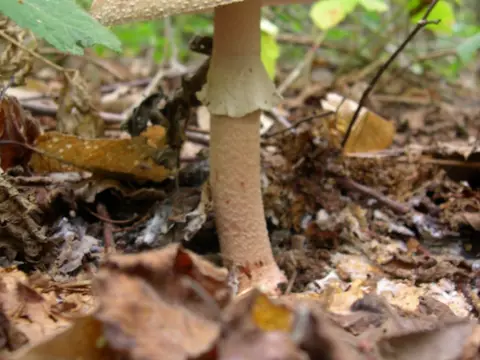
Edible (expert ID) species in this group (2)
Frequently asked questions
What does LBM mean in mushroom foraging?
LBM stands for "Little Brown Mushroom"—a catch-all term for hundreds of small, brown-capped gilled mushrooms that are difficult to tell apart without a microscope and include deadly species such as the funeral bell.
How do you identify a brown mushroom safely?
Ignore cap colour at first and check the underside (pores, gills, ridges or pits), where it is growing (soil vs wood), the stem base and the spore print colour.
Not sure what you found?
Photograph it with Mushie for possible matches, look-alike warnings and an AI guide for follow-up questions. Results are suggestions, never a safe-to-eat verdict.